
Across different contexts, young men face strong social pressures about how they should behave, express emotions, and relate to others. These expectations often reinforce harmful stereotypes that affect wellbeing, relationships, and gender equality. In both England and Nepal, young people themselves are increasingly leading conversations to reshape these norms in more positive and inclusive ways.
Promoting Positive Masculinities in England and Nepal
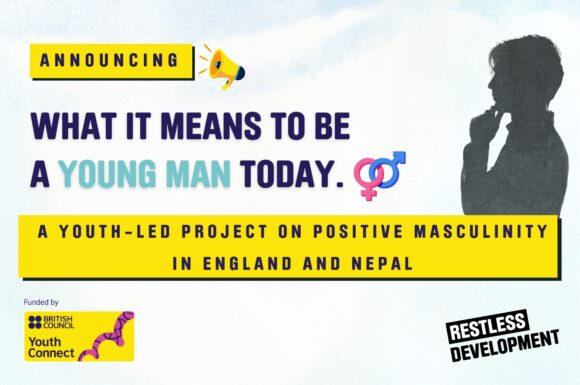
“What it Means to Be a Young Man Today” is a youth-led project operating in England and Nepal that works with young men to rethink masculinity in ways that promote equality, respect, and responsibility. Launched on International Men’s Day, the project runs over six months and uses storytelling, community action, and cross-border collaboration to challenge harmful stereotypes and highlight positive alternatives.
The project is led by young leaders known as Positive Masculinity Champions. These champions are rooted in their own communities and supported to start conversations, listen deeply, and take action. They lead discussions, creative work, and local initiatives that challenge harmful ideas about manhood and replace them with values such as empathy, accountability, and respect.
Young people involved in the project build practical skills in communication, facilitation, and leadership through hands on experience. They bring these skills into youth clubs, schools, and online spaces, where they engage peers who are often left out of conversations about gender and power. Their work includes storytelling, community dialogue, and digital campaigns that reflect real lives and lived experiences.
The connection between young people in England and Nepal allows for shared learning across different contexts shaped by migration, economic pressure, and online polarisation. These exchanges build understanding and solidarity while showing that many challenges around masculinity are shared across borders. The project offers a youth led approach to promoting positive masculinities that supports stronger social bonds and more inclusive, peaceful communities.
This work contributes to global commitments on gender equality, peace and social cohesion, and youth led partnerships, aligned with the United Nations Sustainable Development Goals:
- SDG 5 Gender Equality
- SDG 16 Peace, Justice and Strong Institutions
- SDG 17 Partnerships for the Goals
Where:
The programme will take place in Madhesh Province, Nepal and Newcastle, England
Period:
2025 November – 2026 April
Partners:
Restless Development UK and Restless Development Nepal
Donor:
British Council

