
The Hands That Weave Change
In the neighborhoods of Bharatpur, a dedicated group of young people known as Saral Nepal saw a problem that many had simply learned to accept: a landscape increasingly cluttered by plastic. As a local civil society organization, they had the passion to change things but needed a catalyst to scale their vision. That spark arrived when they partnered with Restless Development Nepal under the EU-funded GreenShift Project. With a Youth Advocacy Grant of NPR 2 Lakhs, these young leaders set out to prove that waste is really just a resource in the wrong place.
Connecting with the Heart of the Community
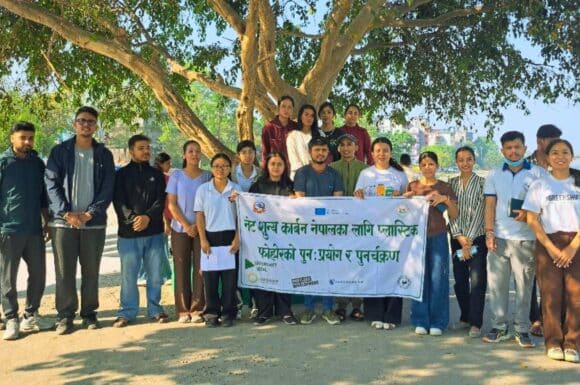
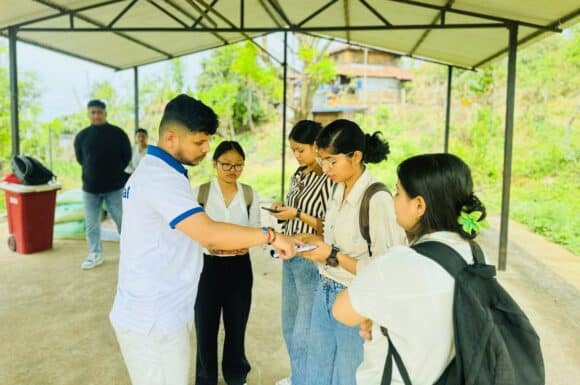
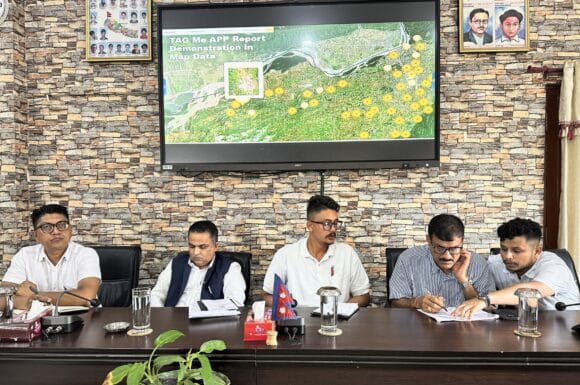
The team knew that real change doesn’t happen through posters alone, so they traveled to remote areas like Bharlang where waste services are often out of reach. They sat down with residents to talk about how plastic pollution affects their health and their children’s future. By using the TagMe app (a mobile tool that allows users to map, tag, and document waste hotspots in their community) to visualize the problem and hosting interactive discussions, Saral Nepal helped the community see their surroundings through a new lens. They turned the abstract idea of a circular economy into a practical conversation about protecting the land they love.
We always believed that plastic waste was not just an environmental issue, but a leadership issue. Once young people see themselves as problem-solvers rather than bystanders, real change becomes possible.
Manish Poudel, Founder and President of Saral Nepal
From Riverbanks to Resilient Streets
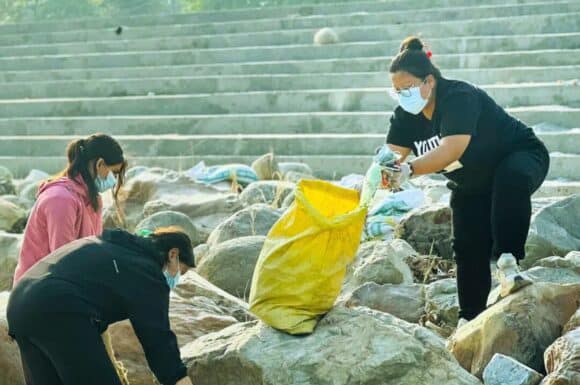
The energy shifted from conversation to action as the youth group mobilized hundreds of volunteers for massive cleanup drives. From the streets of Namuna Tol to the vital banks of the Narayani and Rapti rivers, neighbors worked side by side to reclaim their environment. Together, they removed hundreds of kilograms of waste and installed dustbins to ensure the change would last. These events became a source of community pride, where the act of picking up litter became a powerful statement of ownership and care for their shared home.
Crafting New Livelihoods
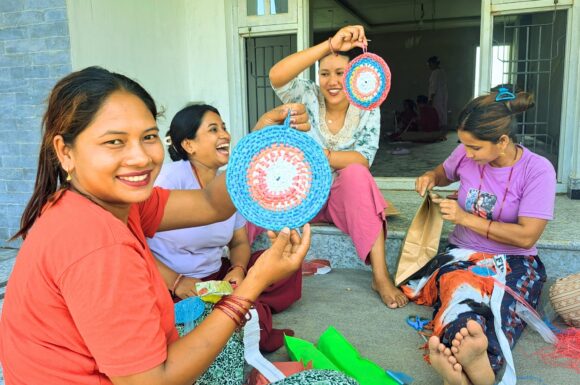
This vision of turning waste into value came to life beautifully through the Women’s Handicraft Training Program which Saral Nepal organized. Thirty local women gathered to learn how to upcycle household plastic into traditional Nepali crafts like Dhakiya and Chakati. This wasn’t just about recycling; it was about empowerment. By turning discarded plastic into beautiful, sellable goods, these women were empowered to create new livelihoods while keeping their neighborhoods clean, proving that environmental care can also support a family’s future.
Bridging the Gap with Local Leaders
Saral Nepal understood that for their work to last, they needed the city on their side. They organized a major dialogue at City Hall, bringing together the Deputy Mayor, city officials, and police to talk about the future of waste. It was a powerful moment of bridge building where young activists and government leaders sat at the same table. The city officials were so impressed by the group’s use of technology and grassroots energy that they pledged to explore new ways to integrate these youth-led ideas into the city’s official plans.
The dialogue with local government leaders showed that young people don’t just demand change; they can design it. Being taken seriously by decision-makers was a milestone for us.
Rupak Ghimire, Central Member of Saral Nepal
Creating a Living Legacy: Saral Marga
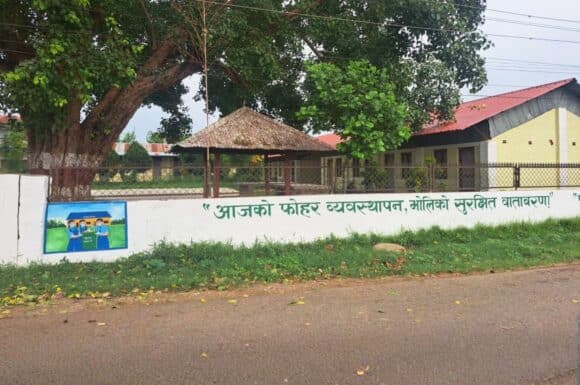
Perhaps the most touching tribute to their hard work happened in a local neighborhood they helped transform. Through road construction, beautification, and door to door awareness, the team turned a neglected area into a model of green living. The local government and residents were so moved by this transformation that they officially named the street Saral Marga (Saral Road). It stands as a permanent reminder that when young people lead, they don’t just clean a path, they pave a new way forward for everyone.
A Greener Horizon
Today, the impact of this partnership is visible in more than just the cleaner riverbanks or the signpost on Saral Marga. Because of the support from the GreenShift project, Saral Nepal has helped cultivate a culture of sustainability that will last for generations. They have shown that when local youth are empowered with the right resources and a seat at the table, they can transform a community’s challenges into its greatest treasures.

