
⏱️ Read time:
Girls in Mumbwa are moving from the classroom to the workshop — turning vocational skills into self-sustaining school businesses and real jobs.
The change we want
Girls should leave school equipped with marketable skills, business acumen, and genuine economic independence. In rural Mumbwa District, transition bottlenecks remain steep: only 52% of girls advance from primary to junior secondary, and under 20% finish secondary school (Zambia Education Statistics Bulletin, 2022).
Nationally, women account for only 30.5% of enrollment across Technical Education, Vocational and Entrepreneurship Training (TEVET), with numbers dropping even lower in rural communities. Too often, girls are funnelled exclusively into low-margin traditional trades like tailoring and catering without the commercial scale or capital to earn a reliable living.
Following the success of Phase II—which reached over 2,000 learners across 10 secondary schools—Phase III bridges the final gap: dismantling barriers in lucrative, male-dominated trades and embedding financial sustainability directly into the schools so practical vocational training continues indefinitely.
Before the Innovation Lab, I never considered mechanics or electrical work as real options for girls. Now we are producing products, understanding how pricing works, and preparing for workplace placements.
— Female learner, TEVET Career Club, Mumbwa District
How we’re making it happen
Transitioning Innovation Labs into revenue-generating school enterprises
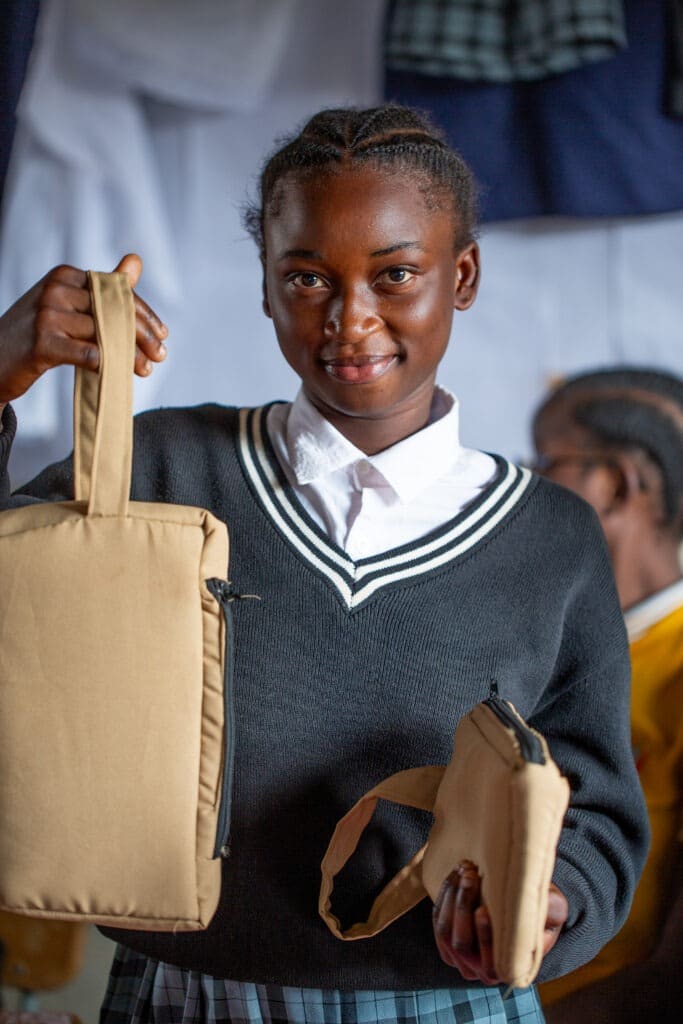
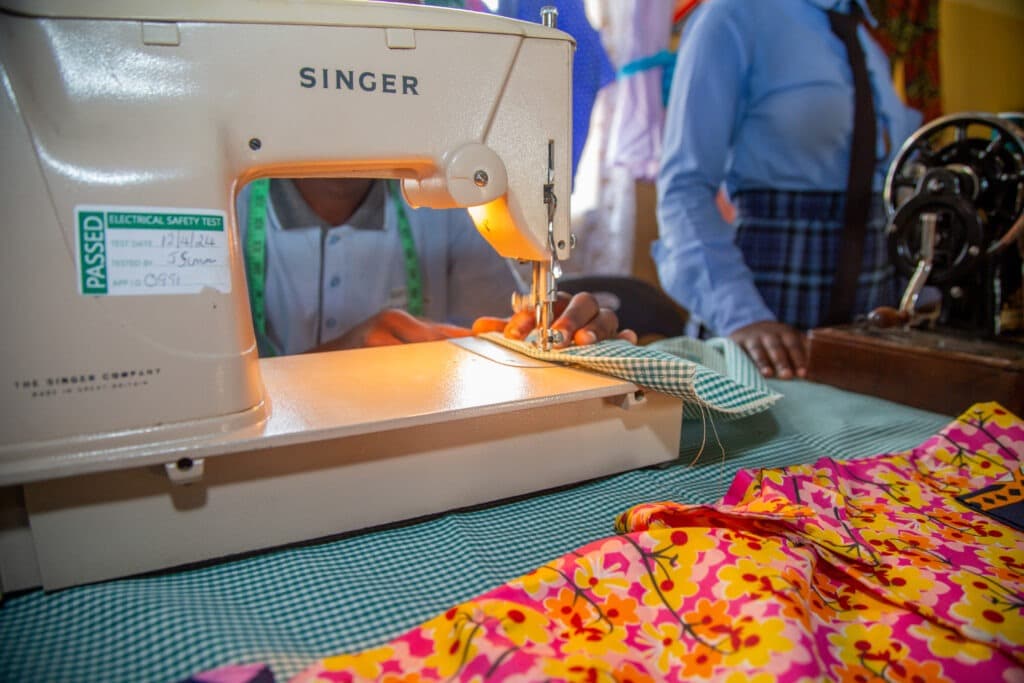
Hands-on prototyping has shifted into commercially viable enterprise. Each of the 10 participating secondary schools has received a dedicated business start-up fund. Learners work together to manage viable micro-enterprises tailored to their local economy—such as school uniform production, tuckshop operations, and agricultural supply (like maize for school feeding schemes). Revenue generated feeds directly back into the clubs, eliminating dependency on external donor funding to purchase tools and raw materials.
Breaking ground in non-traditional technical fields
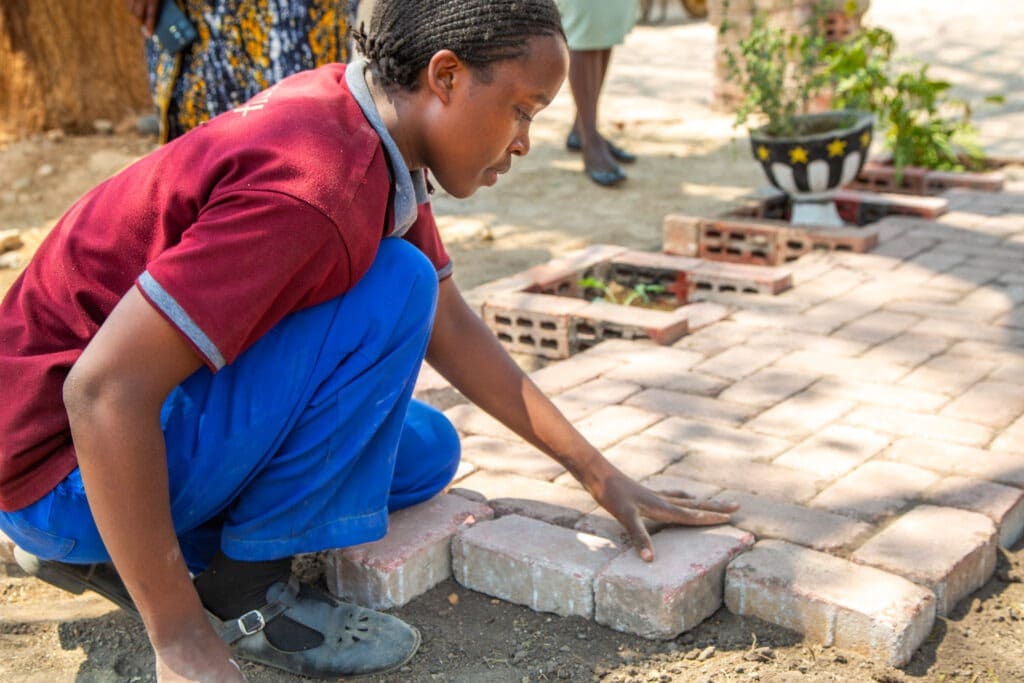
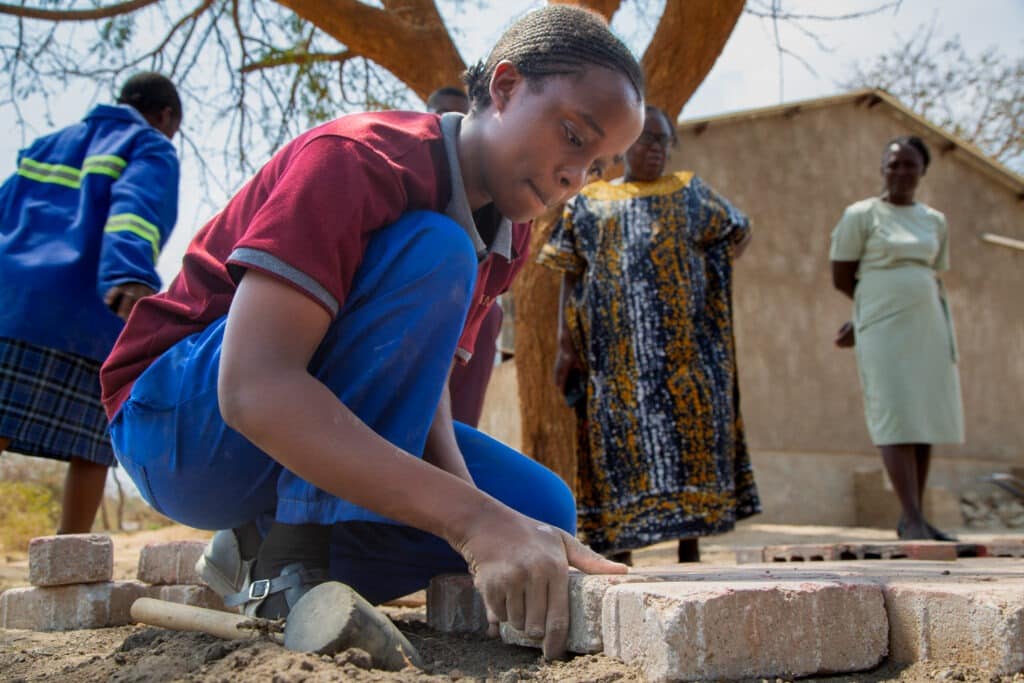
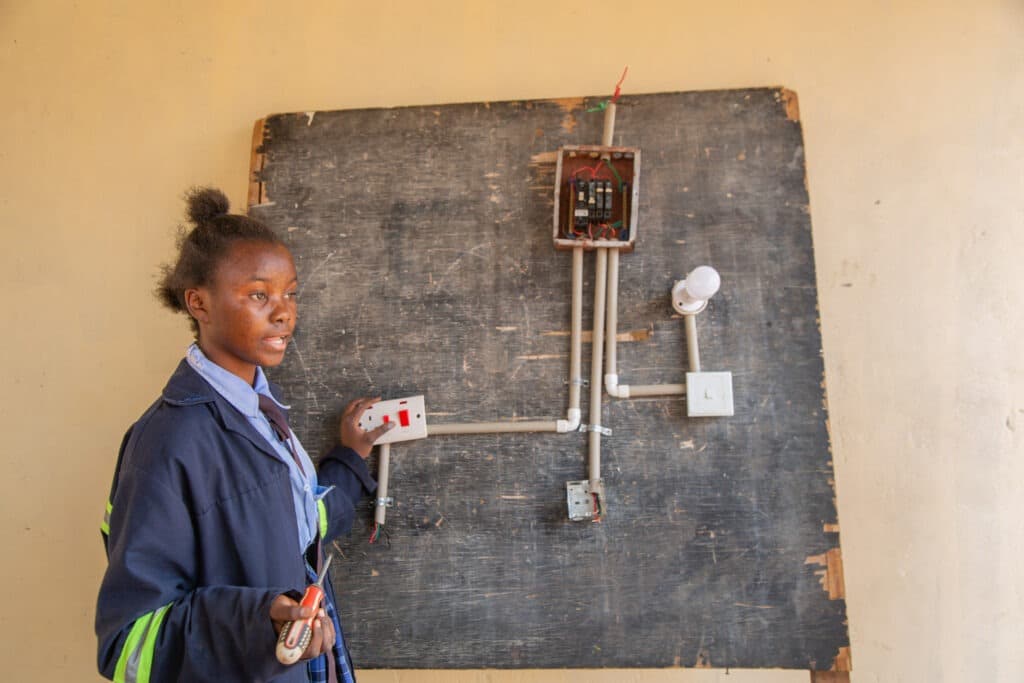
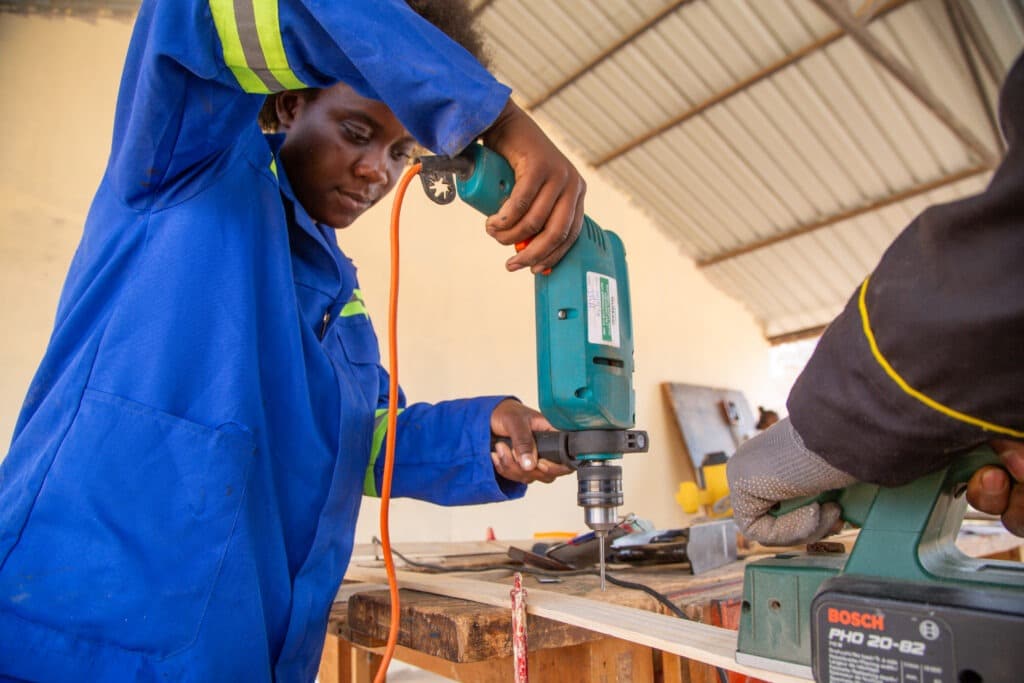
We are expanding girls’ career horizons into high-demand technical sectors. Through a district-wide TEVET Career Exhibition Fair, 200–250 girls participate in interactive demonstrations across automotive mechanics, solar and renewable energy installations, electrical circuit wiring, carpentry, and ICT/coding. These sessions are led by female technical professionals and role models who dismantle industry stigmas and provide clear blueprints for technical careers.
10-day industry internships and direct mentorship
Theory connects directly to employment through structured 10-day workplace placements across 15 partner TEVET institutions and local businesses. 150 female learners step into live workshops, garages, and commercial sites. Placements are reinforced with intensive career-readiness training covering workplace health and safety, ethics, CV development, interview skills, and foundational financial literacy.
Institutional ownership through DEBS and teacher CPD
To ensure continuity, implementation is anchored in the district education system. Through targeted Continuous Professional Development (CPD) and dedicated sustainability planning, 20 secondary educators and guidance teachers—backed by the Mumbwa District Education Board Secretary (DEBS)—lead the clubs, oversee enterprise balance sheets, and maintain ongoing bilateral ties with private industry.
Consolidating sustainability through district showcase
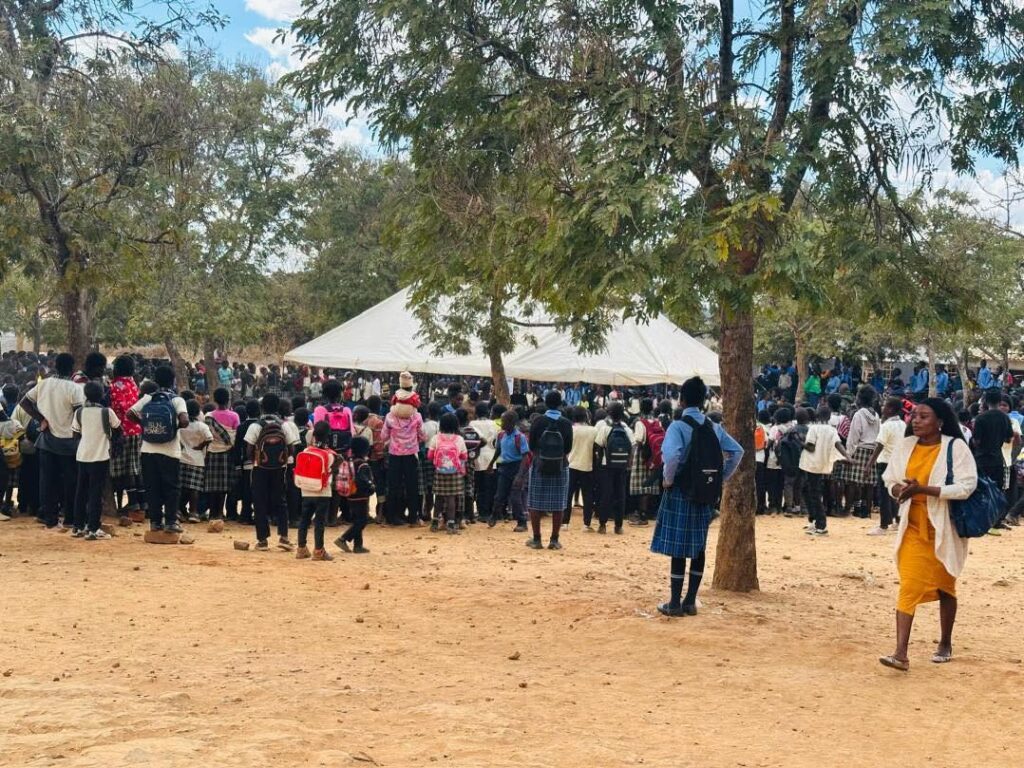
The phase culminates in a district-level showcase where all 10 school enterprises display their manufactured products to community members, employers, and education officials, formally ratifying a district-wide sustainability roadmap.
Who we work with
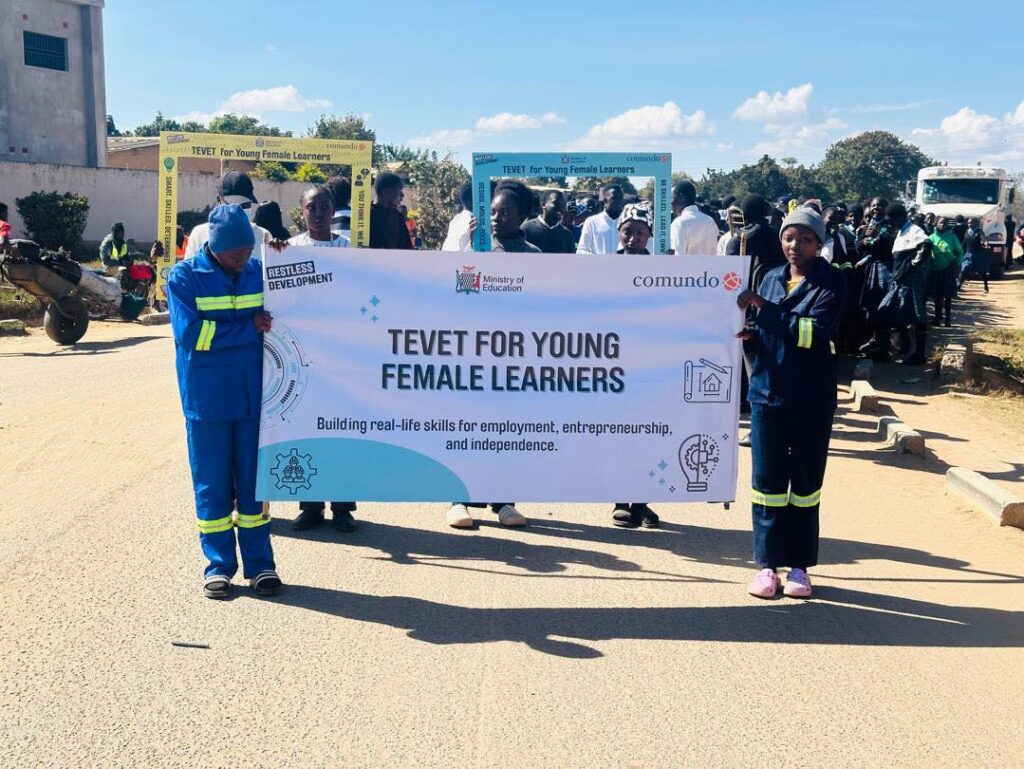
Phase III is funded by Comundo (opens in a new tab) and implemented in collaboration with education and skills stakeholders, including TEVETA (opens in a new tab) and the Ministry of Education, alongside participating secondary schools and local leadership structures in Mumbwa District.
Industry and private-sector partners:
- Madalitso Guest House
- Khavazah Carpentry
- COMACO (opens in a new tab)
- Farm Log Farm
- Mapulanga Carpentry
Gallery
FAQ
TEVET means technical and vocational education and training—practical learning that builds skills for employment, apprenticeships, or entrepreneurship.
The project supports young female learners in selected secondary schools in Mumbwa District, alongside teachers who deliver technical and vocational subjects.
They are school-based clubs that make vocational learning more hands-on and accessible, helping girls practise skills, build confidence, and explore career pathways.
Phase II proved that practical vocational clubs increase girls’ confidence and interest in technical careers across 2,000 learners. Phase III is a six-month consolidation window (May–October 2026) reaching 650 additional learners, focused entirely on sustainability: converting Innovation Labs into revenue-generating school-based enterprises and securing formal 10-day industry internships for 150 girls.
Each of the 10 schools received seed capital to establish a practical micro-business (e.g. uniform manufacturing, baking, or maize farming). Profits from these ventures provide a recurring internal budget to restock vocational supplies and maintenance tools, removing ongoing reliance on donor grants.
The project explicitly targets male-dominated technical industries with high earning potential, including automotive mechanics, electrical wiring, solar installation/renewable energy, carpentry, and ICT.
The project is built on full institutional handover. 20 trained secondary school guidance teachers and the Mumbwa DEBS office have developed concrete school-level and district-level sustainability action plans, integrating club schedules and enterprise monitoring directly into the official school calendar.

