Bogotá to Manila: Young People’s Perspectives on Ending Violence Against Children

Violence against children remains one of the most pervasive human rights violations globally. In November 2024, governments from 112 countries made 411 pledges at the First Global Ministerial Conference on Ending Violence Against Children in Bogotá. As the world prepares for the Second Global Ministerial Conference in Manila in November 2026, the 2026 State of Youth Civil Society Report examines whether these promises are translating into real protection and meaningful change for children and young people.
Led by eight young researchers from Brazil, Ethiopia, India, Nepal, Nigeria, South Africa, the United Kingdom, and Zimbabwe, this flagship youth-led publication assesses government accountability, uncovers key barriers to disclosure and support, and sets out what must change ahead of Manila.
Bogotá to Manila: Young People’s Perspectives on Ending Violence Against Children
Uncover how young leaders across eight countries are turning global pledges into real action to protect children.
Read the SummaryKey Findings at a Glance
The Accountability Gap: While 77 of 101 analyzed pledges include a measurable commitment, only 26 state an investment amount, 25 identify a responsible actor, and just 17 include provisions for child and youth participation. Nearly half of all tracked pledges (47%) have no recorded progress update.

Support Systems Failing Survivors: Silence is a response to systems that fail. Across consultations, young people reported that reporting processes involve financial costs, long distances, victim-blaming, and the trauma of repeatedly retelling their experiences.
Child Marriage & Faith Norms: Approximately 12 million girls are still married each year globally. While faith leaders play a pivotal role in enforcing or dismantling harmful norms, only 5 of 411 pledges explicitly name faith or traditional leaders as key stakeholders.

The Economic Cost of Inaction: Inaction costs between 2% and 8% of global GDP annually. Meanwhile, evidence shows prevention pays—such as parenting programs in South Africa that avert abuse at a fraction of the cost—yet governments consistently score lowest on prevention commitments.
Young People Absorbing the Burden: Where governments fail to resource protection systems, young people and their families bear the financial and emotional costs, from paying travel expenses to maintaining informal peer-led support networks.
Get the report delivered to your inbox!
What Needs to Happen After Manila
Governments, donors, and civil society must act on nine critical recommendations to close the gap between global pledges and lived realities:
- Specific Accountability: Assign every pledge a named responsible office, a specified budget, and a clear deadline, alongside annual updates with an “off track” status.
- Economic Costing: Commission national assessments on the economic costs of violence against children within 12 months.
- Invest in Prevention: Scale up evidence-informed prevention programs that measure and prove cost-effectiveness.
- End Child Marriage: Pair minimum-age marriage laws (18 with no exceptions) with adequately funded education and income support.
- Accessible Support: Fund One-Stop Centres, free helplines, and child-friendly interviewing services to stop re-traumatizing survivors.
- Engage Faith Leadership: Establish written safeguarding protocols and require faith institutions to refrain from conducting or solemnizing marriages under age 18.
- Resourcing Youth-Led Advocacy: Provide flexible, long-term funding to youth- and survivor-led organizations as formal delivery partners.
- Comprehensive Data: Upgrade national data systems to capture technology-facilitated violence and the experiences of boys.
- Transparent Manila Reporting: Publish complete progress updates for all Bogotá pledges prior to the Manila conference
Meet the Youth Researchers

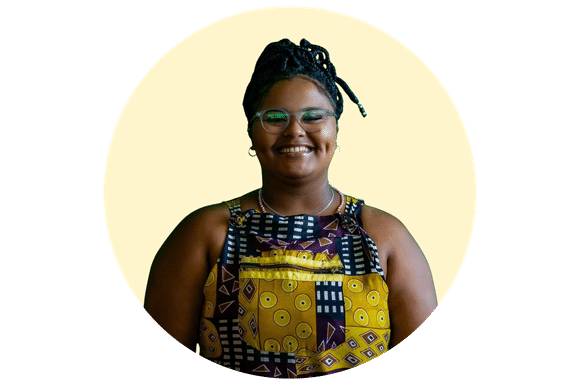
Nobukhosi Phiri (Zimbabwe) – Nobu is the co-founder of the Global Youth-led Movement on EVAC, focused on advancing child rights and community-driven solutions.
Flora Rodrigues (Brazil) – Flora is a youth activist focused on racial justice & social impact, using storytelling to amplify marginalized voices.

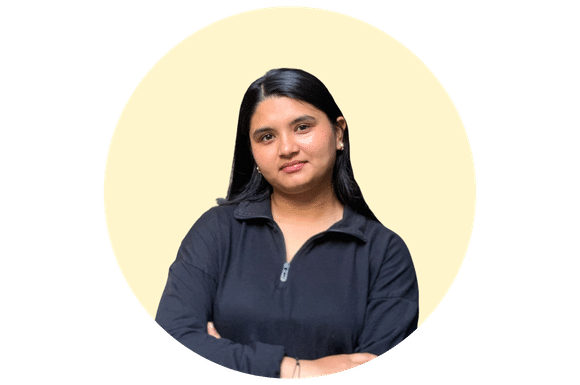
Amen Frew Messele (Ethiopia) – Amen is a youth researcher, passionate about using communication and evidence-based research to amplify community voices, strengthen inclusive participation, and support social impact.
Kritika K.C. (Nepal) – Kritika is passionate about youth-led research, child rights, advocacy, and contributing to evidence-based initiatives that promote safety, and meaningful participation of children and young people.

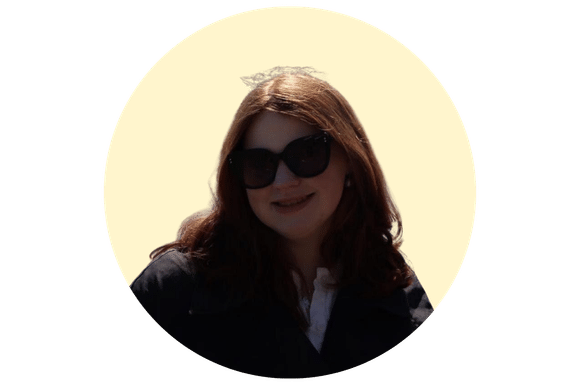
Hannah Silas (Nigeria) – Hannah is a researcher and a development professional committed to advancing social inclusion and equitable public policy across Africa.
Caitie Dundas (UK) – Caitie is an experienced youth advocate, with a proven track record of turning dialogue into tangible policy change.
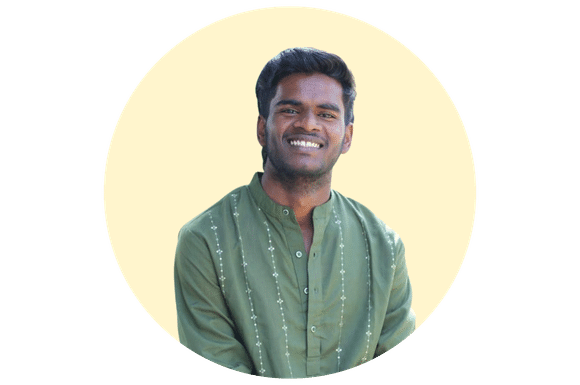
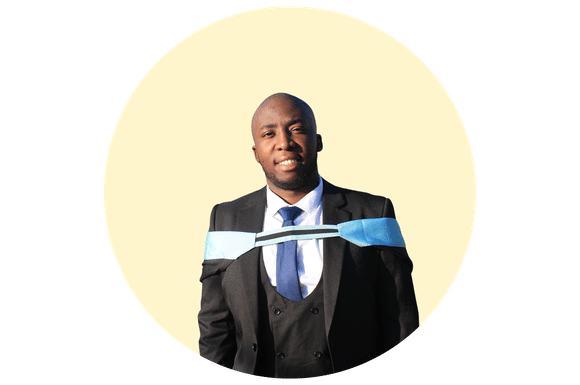
Suraj Bansal (India) – Suraj is a youth researcher and social entrepreneur focused on community-led interventions, participatory research, and building safe spaces for young people.
Siboniso Sikhakhane (South Africa) – Siboniso is a sociology researcher passionate about producing research that informs policy, empowers youth, and promotes social transformation.